
From Highlights to Insight: Turning Reading into Lasting Knowledge
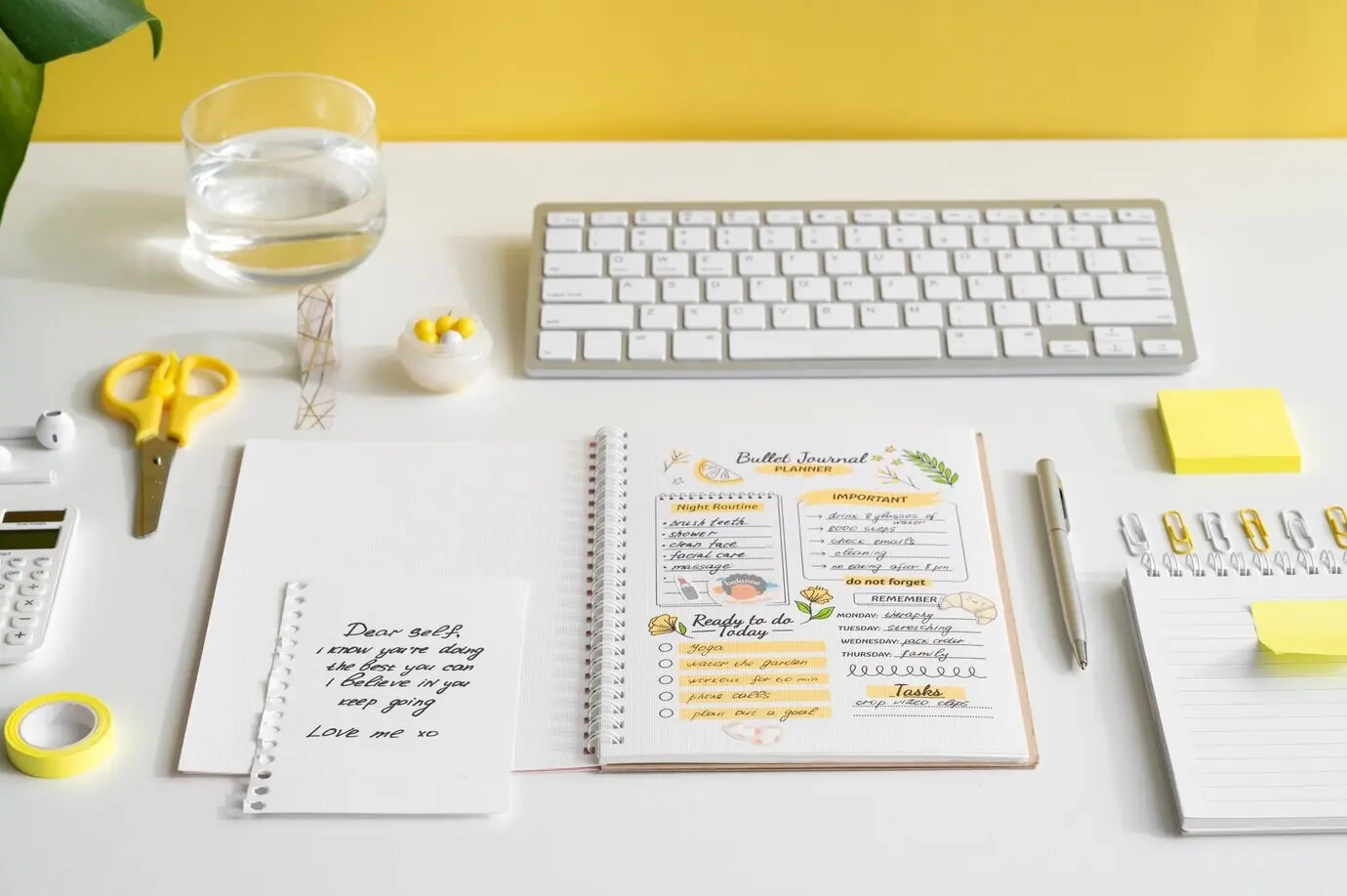
Today we explore ‘From Highlights to Insight: Processing Reading into Knowledge’—a practical journey from bright margins and saved quotes to durable understanding and confident application. You’ll learn workflows, mindsets, and evidence‑based habits that convert scattered snippets into connected ideas, memorable narratives, and actionable projects, without drowning in tools. Bring your bookmarks, annotations, and curiosity; leave with a repeatable approach that respects your time, sparks creativity, and steadily compounds comprehension across days, weeks, and years.

Selective Highlighting with Purpose

Train yourself to highlight only what advances a clear question, decision, or project. Add a brief why beside each mark—question, claim, or technique—so future you remembers the intention. This tiny annotation transforms seductive sentences into purposeful cues, reduces rereading, and sets up stronger retrieval later, especially when contexts blur across sources and formats.

Smart Note Templates

Use lightweight templates that capture source, idea, context, and next step, not just quote text. A consistent scaffold keeps notes scannable, linkable, and remixable. Include fields for terms, counterpoints, and applications, so every capture hints at future synthesis, debate, and experimentation.

Unified Inbox and Daily Triage

Collect everything into a single inbox—book highlights, web clippings, voice notes—then schedule a short daily triage. Rename, tag lightly, and route items to projects or archives. This routine lowers stress, prevents backlog guilt, and steadily transforms interesting fragments into organized, ready-to-think ingredients.

Transforming Notes into Understanding

Elaboration Through Contrast and Connection

For each idea, write one sentence that links it to something you already know, and another that distinguishes it from a look‑alike concept. This dual move deepens encoding, prevents confusions later, and creates anchor points your mind can relocate during retrieval without the original source nearby.

Explain It So A Teenager Gets It

Take a stubborn paragraph and restate it as if mentoring a curious teenager, using simple words, short sentences, and everyday examples. When I rewrote an economics passage for my niece, the missing link screamed back at me. Clarity earned here becomes portable insight you can reuse in meetings, writing, and decisions.

Schedule Spaced Reviews Without Stress

Instead of endless rereads, schedule quick, spaced check‑ins where you answer tiny prompts derived from your notes. Five minutes in two days, one week, one month. This rhythm strengthens recall gently, reveals which ideas endure, and protects your time from unproductive repetition.

From Pages to Projects: An Application Pipeline

Reading pays off when ideas change what you do. Build a pipeline that translates highlights into tasks, experiments, and drafts aligned with real goals. By tying insights to deadlines, collaborators, and deliverables, you create feedback loops that validate concepts, refine judgment, and keep learning anchored in lived experience.

01

Tag to Task in Two Clicks

Use action tags like write, test, share, or automate to flag notes with intent. A weekly review converts those tags into calendar blocks or tickets. By minimizing friction between spark and schedule, you dramatically raise the odds that promising ideas receive a fair trial.

02

Idea-to-Experiment in 48 Hours

Turn an interesting claim into a tiny, low‑risk experiment within two days. Define a hypothesis, success metric, and next action. Whether you’re testing a study habit or a product tweak, rapid trials generate evidence, improve intuition, and prevent insights from evaporating during everyday busyness.

03

Reading-to-Writing in Public

Transform clusters of related notes into short public posts or internal briefs. Publishing forces synthesis, invites critique, and attracts collaborators who expand your perspective. Set a lightweight cadence; even rough drafts create accountability that keeps your reading pipeline flowing toward outcomes instead of stagnating in archives.

Low‑Friction Mobile Capture

Configure your phone to capture ideas in two taps from any app. Quick‑add widgets, share sheets, and voice‑to‑text eliminate excuses. Night or commute, you rescue sparks before they fade, then route them automatically to your inbox, tagged with source, time, and location for future context.

Backlinks and Graphs With Restraint

Use backlinks and graph views to surface serendipitous connections, but resist turning them into decoration. Pair links with a one‑line reason they matter. When every connection carries meaning, your network becomes navigable, and your future self trusts the map enough to explore deeply.

Craft Retrieval Cues From Your Highlights

Convert striking lines into questions that require answers, not recognition. Include a hint about context or consequences to anchor meaning. Short, frequent sessions answering your own prompts build fluent recall and reveal where understanding is fragile, guiding future reading and targeted reinforcement without overwhelm.

Interleave Across Books and Disciplines

Mix practice by alternating subjects and sources during review. Comparing varied examples teaches your brain what truly defines a concept versus what is incidental. Though slightly harder, this spacing and variability lead to stronger transfer, helping insights survive outside the neat boundaries of original texts.

Draw It, Don’t Just Store It

Turn dense passages into sketches, diagrams, or storyboards. Visual translation compresses complexity and forces you to choose relationships that matter. Even rough lines create memorable hooks, accelerate later recall, and make sharing easier, inviting feedback that sharpens both understanding and communication skills.

Remember More With Cognitive Science

Blend research-backed methods into your reading workflow. Retrieval practice, dual coding, interleaving, and desirable difficulties are not abstract jargon; they are concrete levers you can pull. By designing prompts, visuals, and varied practice, you strengthen memory traces and generalize ideas across contexts where they truly matter.

Lightweight Reading Circles

Gather two or three peers for short sessions focused on a single question: what did you try because of what you read? Share one win, one confusion, and one next step. This cadence trades performance for progress, reduces procrastination, and seeds friendships that keep curiosity alive.

Public Learning Logs

Keep a simple changelog of what you read, what you adjusted, and what happened next. Publish weekly. Readers will nudge, question, and celebrate with you, and their feedback will refine your process. Invite subscribers to suggest experiments you can run and report back on.
Zaxopozevenozamixupona
Privacy Overview

This website uses cookies so that we can provide you with the best user experience possible. Cookie information is stored in your browser and performs functions such as recognising you when you return to our website and helping our team to understand which sections of the website you find most interesting and useful.